
How does a Solar Calculator work?
Benefits and advantages of using a Solar Panel Calculator
Applications of Solar Calculator for different stakeholders
How to calculate solar panel capacity using Solar Calculator?
Calculate the Number of Solar Panels Required for Your Home
How to Know Your Solar Panel Efficiency?
Bottomline
FAQs
How does a Solar Calculator work?
A solar calculator or a solar panel cost calculator helps a user estimate their panel requirements, cost, savings on electricity bills, return on their investment (ROI) and suggests the finance options available.
1. Collects user data: You enter your location (zip code), monthly electricity usage (in kWh from your bill), and details about your property, such as roof size and sun exposure.
2. Analyses solar potential: The calculator uses geographic data and local weather patterns to determine how much sunlight your location receives throughout the year.
3. Calculates system size: Based on your energy consumption, it recommends the number of solar panels, and the overall system size (in kilowatts) needed to meet your energy needs.
4. Estimates costs and savings: It approximates the total cost of installation, potential reductions in your electricity bill, and factors in available incentives like tax credits or rebates.
Subsidy Available in India - Government schemes, such as the PM Surya Ghar Yojana, offer subsidies that significantly reduce the net cost.
Benefits and advantages of using a Solar Panel Calculator
Solar panel calculator or solar calculator offers high benefits by providing customised cost estimates, helping you determine the best system size for you, and forecasting your return on investment
1. Save on Monthly Bills
Estimate savings on your power bills by switching to solar.
2. Find the Right System Size
Get the perfect solar system size based on your energy needs.
3. Environmental Benefits
Track your CO2 savings and reduce your carbon footprint with solar energy.
4. Understand ROI
See how quickly your solar investment pays off through savings and costs.
5. Get Cost Estimates & Financing
Estimate installation costs and explore financing options like CAPEX and OPEX.
6. Calculate Space for Installation
Determine if your roof or area is suitable for solar panels.
7. See Long-Term Savings
Calculate potential savings considering future electricity price hikes.
Calculate the Right Solar Panel Capacity in 5 Simple Steps
A Solar Calculator helps you estimate the ideal system size, installation cost, potential savings, and return on investment based on your energy consumption.
1. Check Your Electricity Usage
Review your electricity bills to determine your average monthly or daily energy consumption. Using 12 months of bills provides the most accurate estimate.
2. Know Your Location
Your location determines the average number of peak sun hours available each day, which directly affects the required solar system size.
3. Select the Solar Panel Wattage
Choose the wattage of the solar panels you plan to install. Most residential solar panels are available in the 300W–600W range.
4. Calculate the Required System Size
Based on your energy consumption and local sunlight hours, calculate the total solar system capacity (in kW) needed to meet your electricity requirements.
5. Estimate the Number of Solar Panel.
Divide the required system size by the wattage of the selected solar panels to determine the approximate number of panels needed for your installation.
Calculate the Number of Solar Panels Required for Your Home
Solar panel calculator or solar calculator offers high benefits by providing customised cost estimates, helping you determine the best system size for you, and forecasting your return on investment
Calculate Your Daily Electricity Consumption - Check your electricity bills to find your average daily or monthly energy usage (kWh). This helps determine how much solar power you need.
Estimate the Required Solar System Size - Based on your electricity consumption and the average sunlight in your area, calculate the ideal solar system capacity (kW).
Calculate the Number of Solar Panels - Divide the required system size by the wattage of your selected solar panels to estimate the total number of panels needed.
Consider Your Location and Roof Space -The amount of sunlight your location receives and the available shadow-free roof area affect how many panels can be installed and how efficiently they will perform.
Choose the Right Solar Panels - High-efficiency solar panels produce more electricity in less space, making them ideal for smaller rooftops.
Plan for Future Energy Needs - If you expect higher electricity usage in the future, such as purchasing an electric vehicle or adding new appliances, consider installing a slightly larger solar system.
Include Other System Components - Consider the inverter, battery storage (if required), installation cost, and available government subsidies to ensure your solar system meets both your energy needs and budget.
How to Know Your Solar Panel Efficiency?
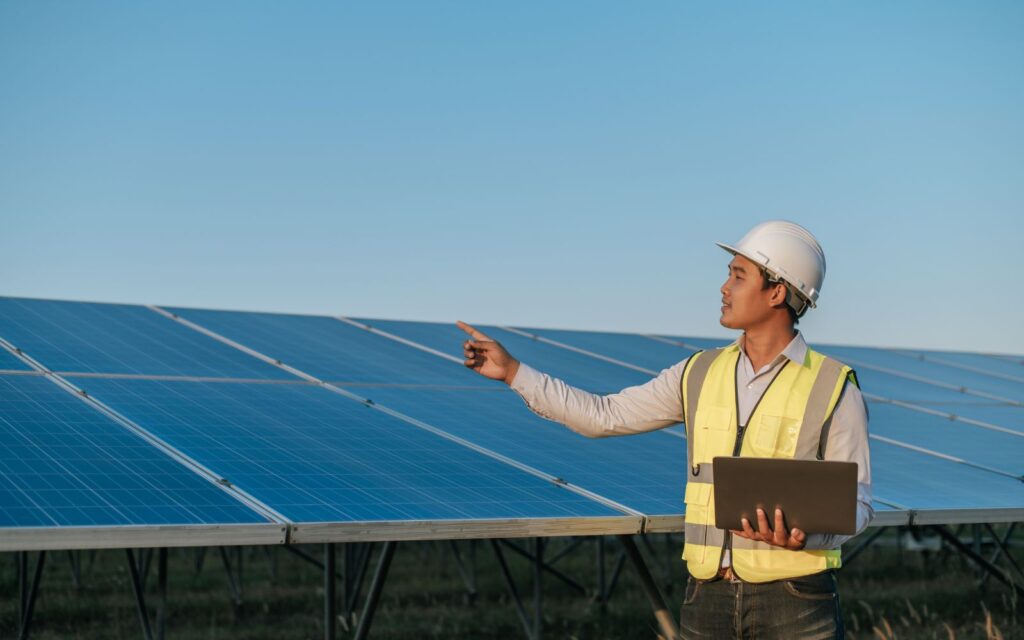
Even the best solar panels can produce less electricity due to real-world conditions. Here are the key factors that affect their performance:
High Temperature – Solar panels work less efficiently in very hot weather, which can reduce their power output.
Shading – Shadows from trees, buildings, dust, or leaves can significantly decrease electricity generation.
Weather Conditions – Dust, humidity, pollution, and cloudy weather reduce the amount of sunlight reaching the panels.
Panel Age – Solar panels gradually lose a small amount of efficiency over time as they age.
Installation Angle and Direction – Panels installed at the correct tilt and facing the right direction receive more sunlight and perform better.
System Losses – Energy losses in inverters, cables, and other system components reduce the overall efficiency of the solar power system.
Bottomline
Even the best solar panels can produce less electricity due to real-world conditions. Here are the key factors that affect their performance:
High Temperature
High Temperature – Solar panels work less efficiently in very hot weather, which can reduce their power output.
2. Estimate the Required Solar System Size
Shading – Shadows from trees, buildings, dust, or leaves can significantly decrease electricity generation.
3. Calculate the Number of Solar Panels
Weather Conditions – Dust, humidity, pollution, and cloudy weather reduce the amount of sunlight reaching the panels.
4. Consider Your Location and Roof Space
Panel Age – Solar panels gradually lose a small amount of efficiency over time as they age.
5.Choose the Right Solar Panels
Installation Angle and Direction – Panels installed at the correct tilt and facing the right direction receive more sunlight and perform better.
6. Plan for Future Energy Needs
System Losses – Energy losses in inverters, cables, and other system components reduce the overall efficiency of the solar power system.
7. Include Other System Components
Consider the inverter, battery storage (if required), installation cost, and available government subsidies to ensure your solar system meets both your energy needs and budget.